BATTLE OF THE ATLANTIC

  • ROOSEVELT—U-BOATS ARE “RATTLESNAKES OF THE ATLANTIC”

    Washington, D.C. • September 11, 1941 Starting on September 1, 1941, 2 years into the Battle of the Atlantic, U.S. war­ships began escorting con­voys of east­bound mer­chant­men from the North Amer­i­can coast. Con­voys departed from New­found­land, Canada, and ended in the mid-Atlantic at the Danish depend­ency of Ice­land, the half­way point to ports in the British…

  • HITLER, MUSSOLINI HOLD SUMMIT

    Brenner Pass, Austria • March 18, 1940 On this date in 1940 on the Austro-Italian border, German leader Adolf Hitler and Ital­ian strong­man Benito Musso­lini met for their fifth face-to-face meeting. Hitler had requested the sum­mit in order to force Il Duce (Italian, “the leader”) to take sides within the frame­work of the so-called Pact of…

  • U-BOATS SET TO TARGET U.S. EAST COAST SHIPPING

    Berlin, Germany • December 13, 1941 On this date in 1941, just 2 days after Germany and the U.S. had declared war on each other, U‑boat Adm. Karl Doenitz initi­ated the Kriegs­marine’s wolf pack cam­paign against ill-pre­pared mer­chant shipping along the Cana­dian and U.S. east­ern and Gulf sea­boards. (Wolf packs con­sisted of a group of…

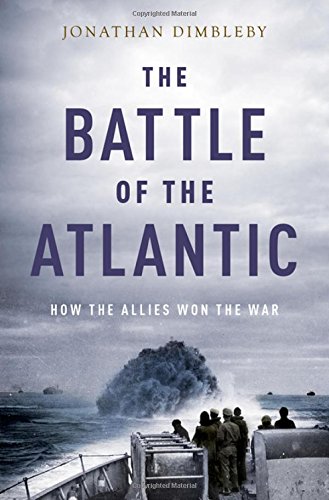
  • The Battle of the Atlantic: How the Allies Won the War

    “The only thing that ever really frightened me during the war was the U-boat peril,” wrote Winston Churchill in his monumental history of World War II. His fear was shared by many. The North Atlantic was arguably the true front of the war for Europe, and the stakes there were terrifyingly high. Had Germany succeeded in cutting off the supply of American ships, England might not have held out. In a cable to Churchill in May 1941, Franklin Roosevelt put it plainly, “I believe the outcome of this struggle is going to be decided in the Atlantic and unless Hitler can win there he cannot win anywhere in the world in the end.”

    Hitler knew what was at stake. The shipping lanes of the Atlantic became the main target of the Kriegsmarine operations early in the war. Between 1940 and 1945 the death rate there was higher than in any other theater of the entire war, for both sides. The enemy was always and constantly there and waiting, lying just over the horizon or lurking beneath the waves. The conflict consisted of not one battle but hundreds, ranging from hours to days in duration, and forcing both sides into constant innovation and white-knuckled, nightmarish second-guessing, trying desperately to gain the advantage of every encounter. Some of this took place in treacherous seas with mountainous swells, in water so cold that survival in it could be counted in mere minutes.

    Jonathan Dimbleby’s The Battle of the Atlantic offers a detailed and immersive account of this massive and decisive campaign, placing it within the context of the war as a whole. Dimbleby delves into the politics on both sides of the Atlantic, revealing the role of Bletchley Park and the complex and dynamic relationship between America and England. He uses contemporary diaries and letters from leaders and sailors to chilling effect, evoking the lives and experiences of those who fought. This is the definitive account of the longest battle of World War II.


  • U-BOAT TORPEDOES U.S. WARSHIP

    Washington, D.C. • October 17, 1941 Starting on September 1, 1941, two years into the Battle of the Atlantic, U.S. war­ships began es­corting con­voys of Britain-bound mer­chant­men from the North Amer­i­can coast. Con­voys departed from New­found­land off the coast of Canada and ended in the mid-Atlan­tic at Ice­land, a Danish posses­sion whose defense the U.S….

  • ROYAL NAVY ENDS THREAT TO ARCTIC CONVOYS

    London, England · December 26, 1943 The Scharnhorst was a German capital ship, variously described as a battle­ship and battle­cruiser of the Ger­man Kriegs­marine. Launched in 1936 and com­pleted in 1939—her nine‑gun, triple turrets the pride of the Kriegs­marine—the 31,500‑ton ship was sister ship to the Gneise­nau. During much of the early part of the…

  • ROOSEVELT: U.S. MUST PLAN FOR ITS DEFENSE

    Washington, D.C. · December 20, 1940 On this date in 1940 President Franklin D. Roose­velt appointed William Knud­sen to head a 4‑member board (Office of Pro­duc­tion Manage­ment, or OPM) to plan for national defense and coor­di­nate aid to Great Britain following Ger­many’s total block­ade of that island nation in mid-August (Battle of the Atlantic). A Danish…

  • U-BOATS UNLEASHED ON EAST COAST SHIPPING

    Berlin, Germany · December 13, 1941 On this date in 1941, two days after Germany and the U.S. had declared war on each other, U‑boat Adm. Karl Doenitz initi­ated the Kriegs­marine’s wolf pack cam­paign against ill-pre­pared mer­chant shipping along the Cana­dian and U.S. east­ern sea­boards. (Wolf packs con­sisted of a group of U‑boats sys­tem­atically attacking…

  • U-BOATS TO BRING ENGLAND TO HEEL

    Berlin, Germany · November 29, 1939 On this date in 1939, nearly 3 months after the Wehr­macht (German armed forces) over­ran neigh­boring Poland, launching World War War II in Europe, German dicta­tor Adolf Hitler issued Fuehrer Direc­tive Num­ber 9, the first of 2 direc­tives on mea­sures his coun­try would have to take to ren­der the…

  • U.S. WARSHIP TORPEDOED BY U-BOAT

    Washington, D.C. · October 17, 1941 Starting on September 1, 1941, two years into the Battle of the Atlantic, U.S. war­ships began es­corting con­voys of Britain-bound mer­chant­men from the North Amer­i­can coast. Con­voys departed from New­found­land off the coast of Canada and ended in the mid-Atlan­tic at Ice­land. Four days after ini­ti­ating the es­cort ser­vice,…